
Compare three electric cargo tricycle formats for urban freight, light delivery, and regulated markets before planning your wholesale range.
Electric three-wheelers are not a single-product market. A vehicle intended for neighborhood deliveries may require different power, payload, dimensions, and battery technology from one designed for mobile vending or light commercial transport. Importers can build a stronger assortment by matching each configuration to a clear operating scenario rather than comparing price alone.
Three Formats for Different Delivery Tasks
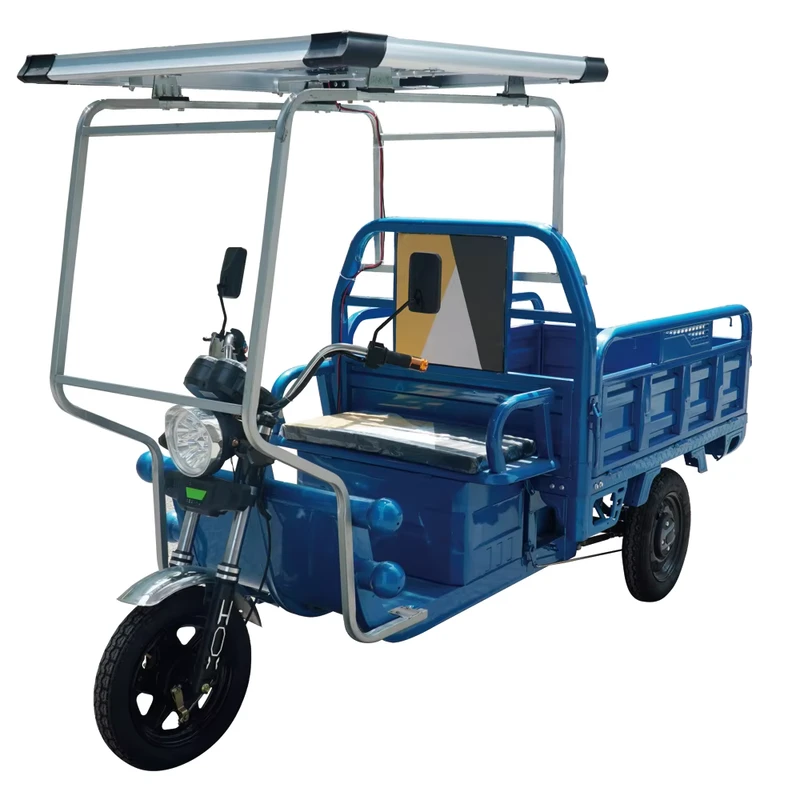
For demanding urban cargo work, the solar cargo tricycle combines a 60 V electric system, power above 1,000 W, and a stated payload capacity of at least 400 kg. Its listed 50–70 km driving range, front and rear disc brakes, open body, and front-cabin configuration make it relevant for distributors serving logistics, municipal, or commercial fleet channels.
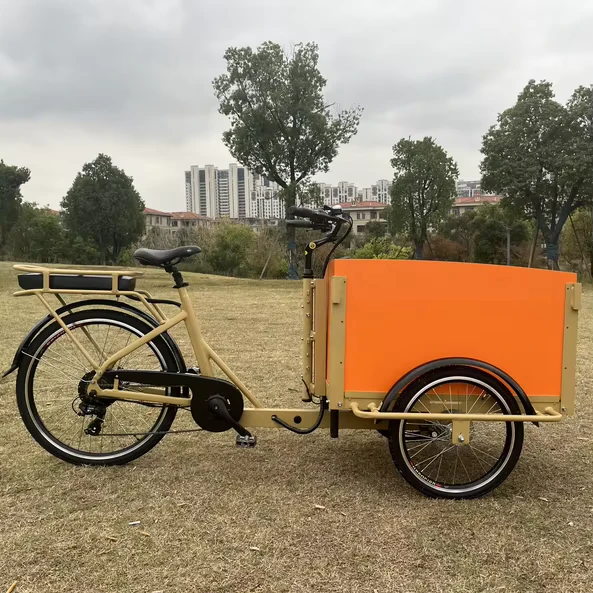
Where lower speed and bicycle-style handling are priorities, the three-wheel cargo e-bike offers a different proposition. It uses an aluminum alloy frame, 26-inch wheels, a rear hub motor, seven-speed gearing, and a 36 V 250 W system. A lithium battery, stated range above 60 km, and 4–6 hour charging time suit light-duty delivery programs and buyers seeking a pedal-cycle format.
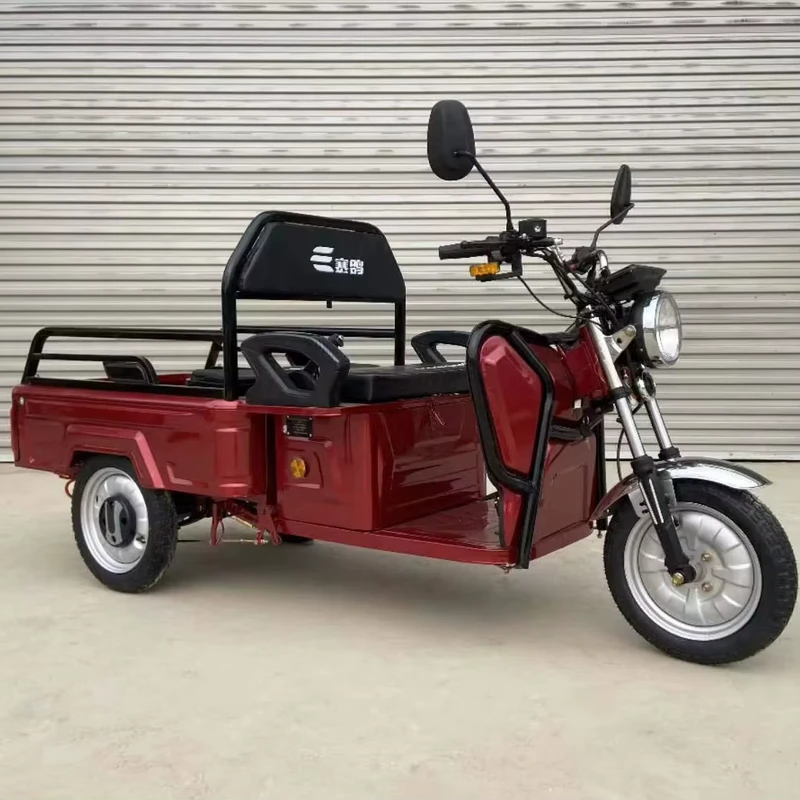
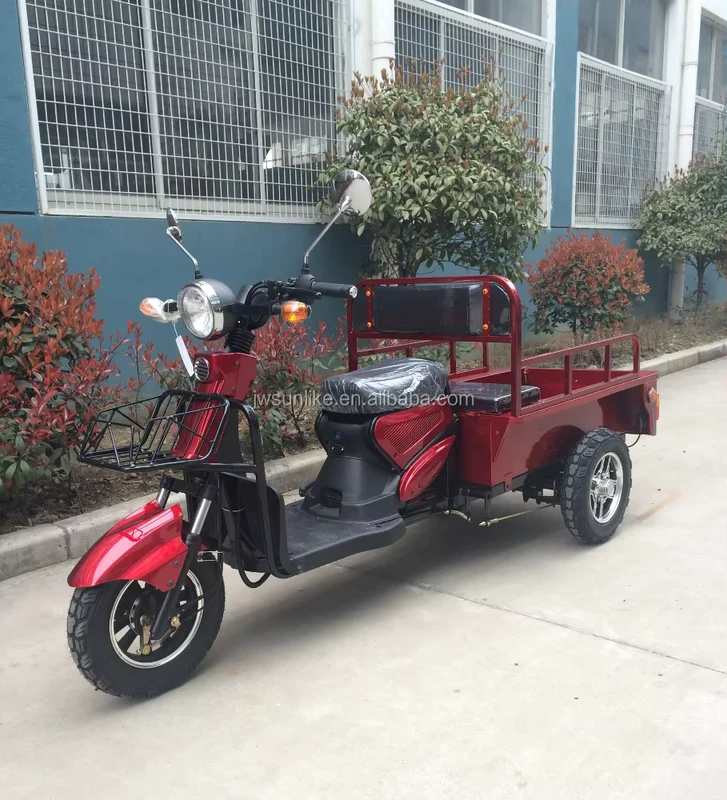
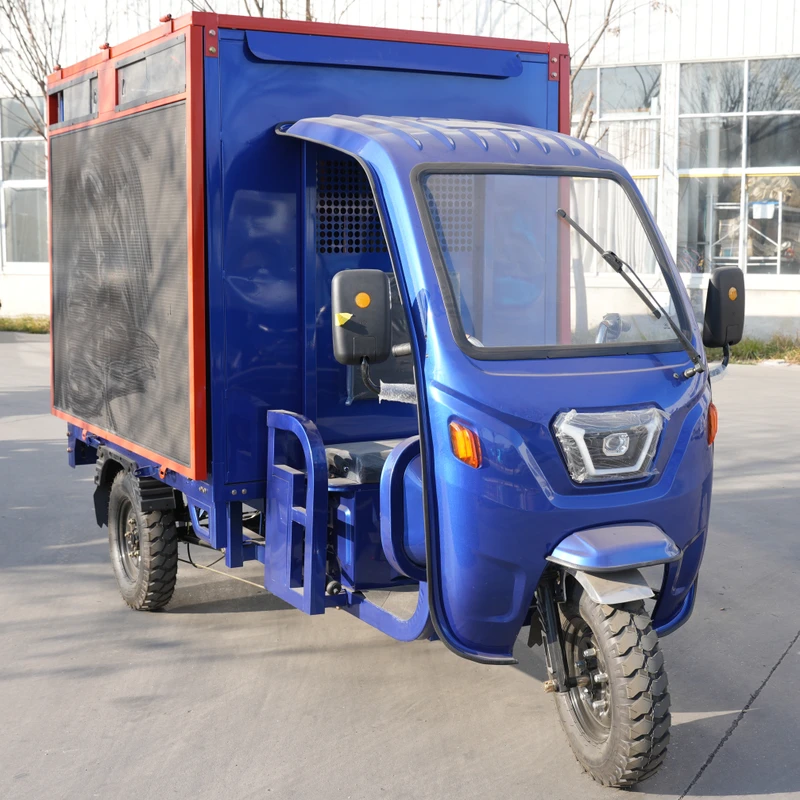
The EEC cargo tricycle sits between these options. It has a 100–200 kg payload rating, 60 V power system above 1,000 W, maximum speed up to 30 km/h, and a stated range of 50–70 km. Its compact 2,200 mm length can be useful when maneuverability and storage space influence purchasing decisions.
Before ordering, buyers should confirm local registration rules, certification documents, battery requirements, loading conditions, and spare-parts plans. Explore the wider electric cargo tricycle range, then contact us to discuss target applications, order quantities, and market-specific sourcing requirements.