
Compare payload, range, power, braking, and passenger capacity to select electric cargo tricycles for distribution or project sourcing.
For importers and distributors, choosing an electric cargo tricycle starts with the operating environment—not simply the highest motor rating. Delivery distance, road gradient, load type, charging access, and local certification requirements all influence which configuration will be commercially suitable.
Longer Routes and Demanding Terrain
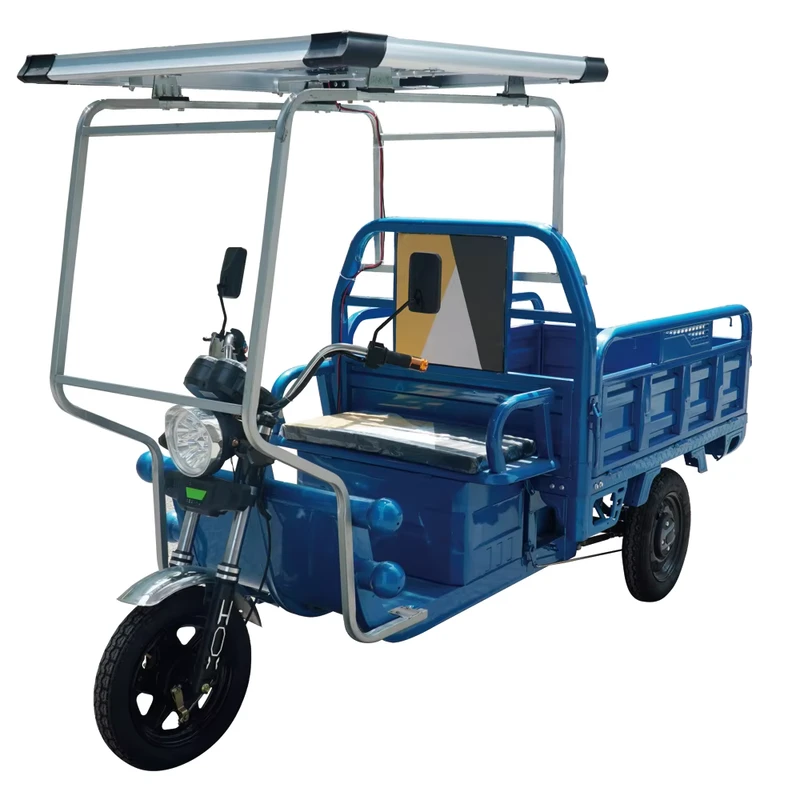
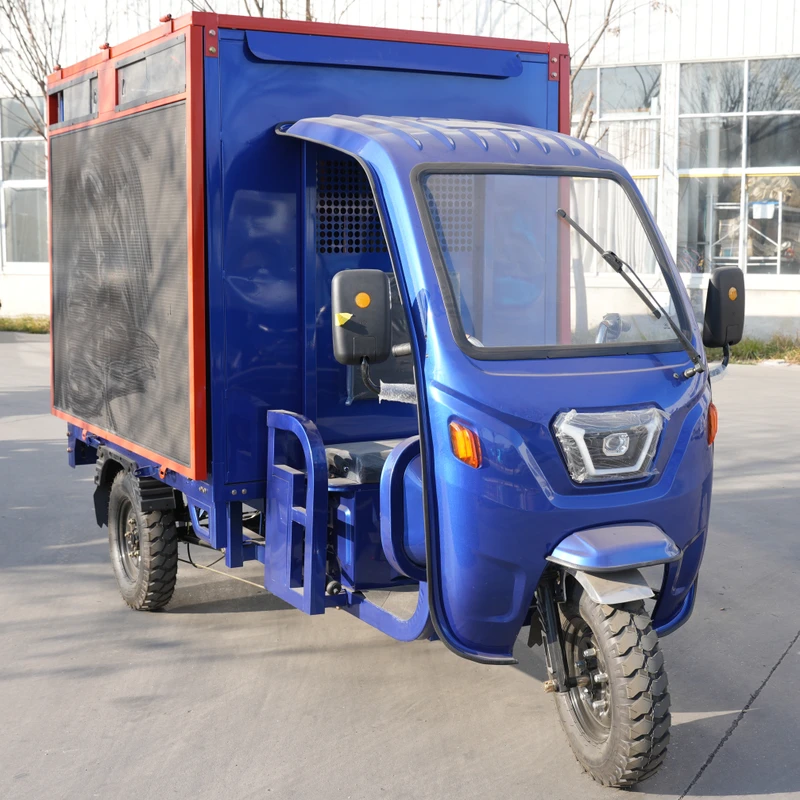
The long-range cargo tricycle is designed around a payload of at least 400 kg and a listed driving range of at least 90 km. Its configuration includes voltage above 60 V, power above 1,000 W, 5.00-12 front and rear tires, and grade capability of at least 25 degrees. These specifications make it relevant for agricultural transport, industrial sites, and delivery routes where distance and climbing ability matter.
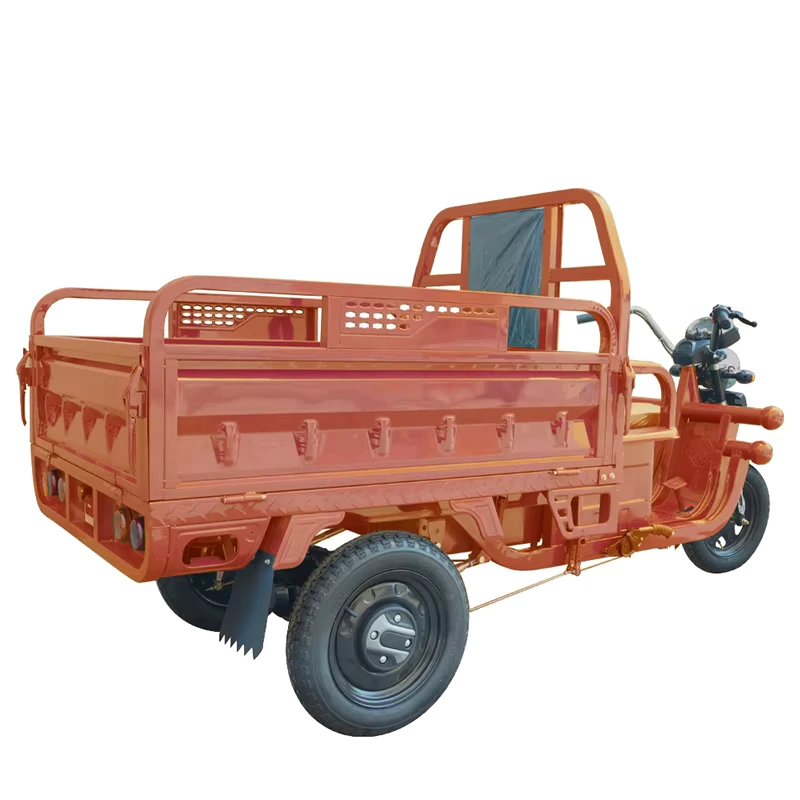
For buyers focused on heavier daily freight, the heavy-load model combines a 60 V system, 801–1,000 W power, a three-speed setup, and a 45 Ah battery. It offers a stated range of 30–50 km, front disc and rear drum brakes, and an open cargo body. This profile can suit wholesalers serving local logistics, market distribution, or short industrial routes.
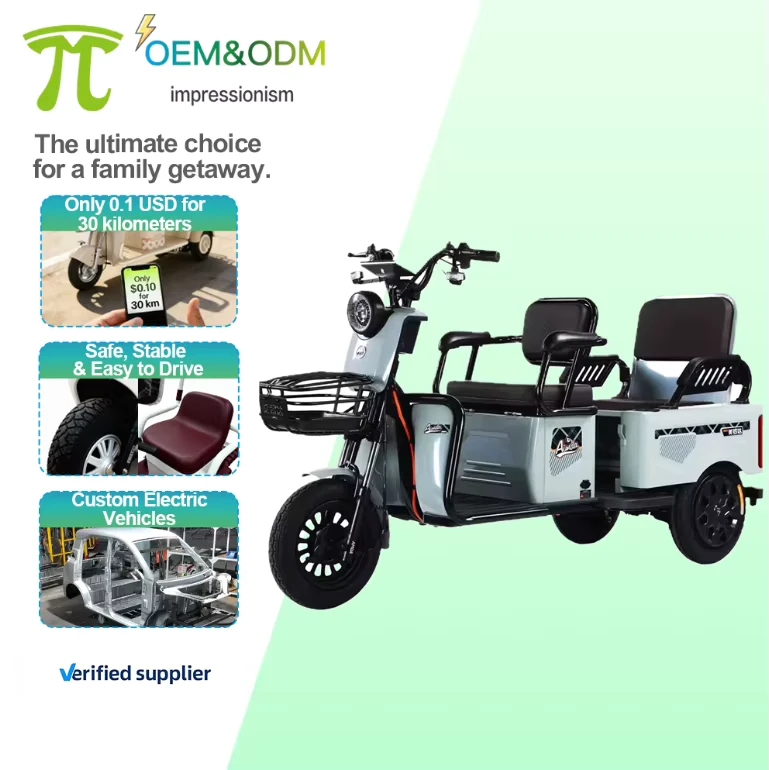
Flexible Passenger and Cargo Use
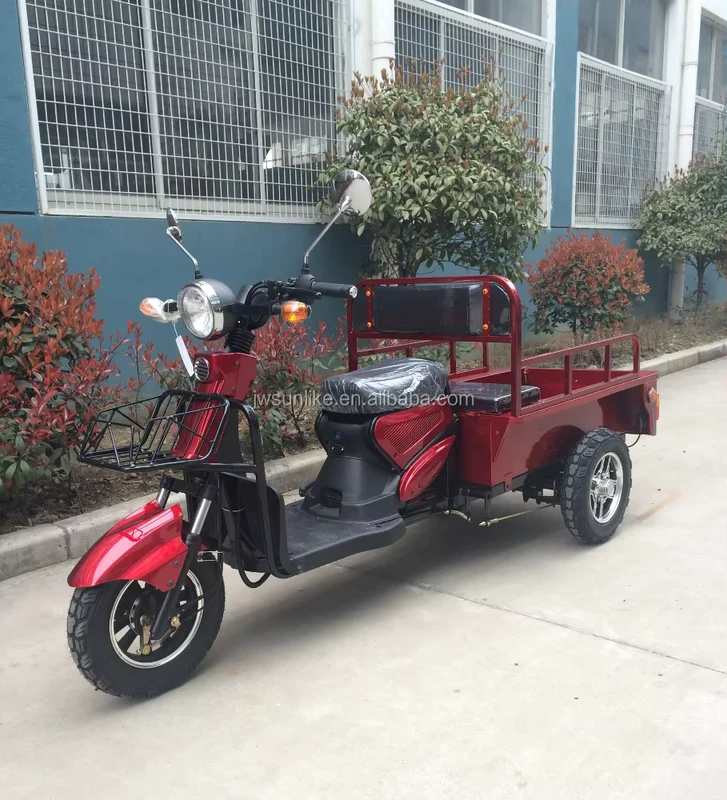
Some markets require a vehicle that can move both goods and people. The passenger-cargo trike accommodates three passengers and carries 200–300 kg. Its 48 V system, 501–800 W power range, front and rear disc brakes, and 3–5 hour charging time provide a balanced option for community transport, mobile services, and lighter commercial deliveries.
Before ordering, buyers should confirm destination-market regulations, required documentation, battery preferences, cargo body dimensions, and branding needs. Explore the broader electric cargo tricycle range, then contact us to discuss quantities, specifications, OEM requirements, and export support for your market.